Sculpture and Emotion

Arvind Singh
| 04-04-2026
 · Art Team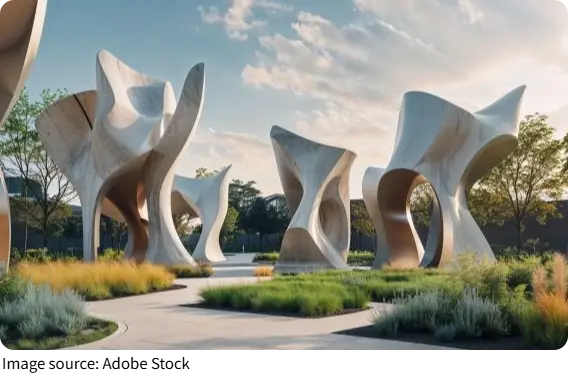
Sculpture has long been a powerful means of expression, capturing the human experience through form, texture, and movement.
Unlike other art forms that rely on words or visual imagery alone, sculpture has the unique ability to interact with its surroundings and the viewer's senses in a physical way.
Artists use materials, shapes, and movements to convey emotions that words sometimes fail to capture. Whether through the flowing curves of a marble statue or the sharp angles of a modern abstract piece, sculptures invite emotional reactions from the viewer that are immediate and visceral. This article explores how sculptors use their craft to evoke feelings, and how different styles of sculpture can deeply impact emotional responses.
1. The Role of Shape in Evoking Emotion
The shape of a sculpture is one of its most influential emotional tools. Rounded forms tend to feel more welcoming, soft, and calming, while angular, sharp shapes often convey tension, aggression, or discomfort. Think of the difference between the smooth, graceful curves of a classical sculpture, such as Michelangelo's David, and the jagged, fragmented pieces seen in modern abstract works like those of Pablo Picasso or Jean Arp.
In classical realism, sculptors aimed to capture the ideal human form, often emphasizing symmetry and proportionality. These smooth, harmonious shapes are designed to evoke a sense of beauty and balance, creating feelings of admiration and serenity. On the other hand, expressionist sculptors, such as Ernst Barlach, used distorted forms to communicate inner turmoil or societal tension, often using sharp angles and exaggerated proportions to evoke discomfort or empathy for the subject's struggle.
Shape is thus not only a physical characteristic but a language in itself, able to communicate subtle layers of emotion.
2. Material Matters: The Emotional Impact of Texture
Just as shape plays a crucial role in shaping emotional responses, the choice of material deeply influences how a sculpture is perceived emotionally. The texture, weight, and tactile qualities of materials like marble, bronze, or wood can elicit distinct feelings.
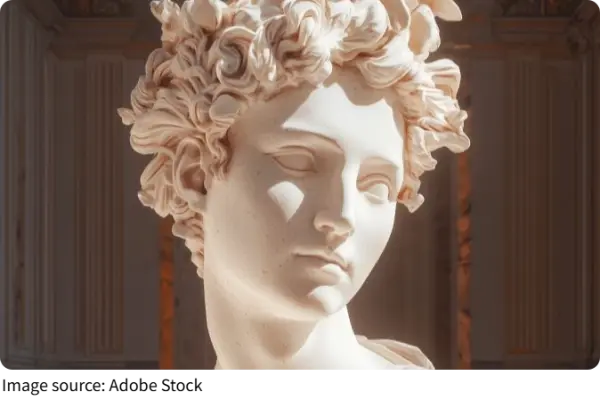
For example, marble, often associated with classical art, has a cool, smooth finish that invites admiration and awe. It is a material used to create statues of deities or divinities, heroes, and dignitaries, evoking feelings of reverence and permanence. A marble figure like the Venus de Milo radiates purity and timelessness, drawing the viewer's gaze with a sense of wonder.
In contrast, artists who work with materials like rusted iron, scrap metal, or even organic materials like wood or clay often convey a sense of impermanence or decay. A sculpture made from weathered, rough materials can provoke feelings of nostalgia or melancholy, reminding viewers of the fragility of life and the passage of time.
The texture of a sculpture not only contributes to its aesthetic but also serves as an emotional catalyst, allowing the viewer to engage with the piece on a deeper, more tactile level.
3. Movement: Bringing Sculptures to Life
Though many sculptures are stationary, some artists create works that seem to be in motion, further enhancing the emotional intensity of their pieces. Movement in sculpture is achieved through dynamic poses, the manipulation of materials that suggest fluidity, or through kinetic sculptures that physically move in space.
Consider the work of Italian sculptor Giacomo Balla, whose dynamic sculptures, such as The Street Light, are designed to express motion and energy. These pieces are often fragmented or broken into several parts to give the illusion of speed and fluidity, evoking a sense of vitality and excitement. Movement within sculpture allows artists to depict not just still moments, but the passage of time, human action, or natural forces, triggering emotions related to motion and change.
Additionally, many contemporary artists have embraced kinetic sculpture—pieces that move through mechanical means. The work of Alexander Calder, known for his mobiles, for example, brings the sculpture to life as it sways and spins, creating an emotional experience rooted in the unpredictability of motion.
4. Style and Emotion: Realism vs. Expressionism
Different sculptural styles can also affect how emotions are conveyed. Realism, which seeks to portray subjects as true-to-life as possible, often elicits empathy by presenting human figures in a relatable, tangible way. Realistic sculptures of everyday people, such as those by Auguste Rodin, like The Thinker, encourage contemplation, evoking feelings of introspection or empathy as the viewer can easily identify with the subject's posture and expression.
Expressionism, on the other hand, focuses on distorting reality to express emotional experience rather than physical truth. Artists like Ernst Barlach and Edvard Munch use exaggerated, sometimes grotesque forms to communicate feelings of anxiety, despair, or alienation. These works are not meant to resemble reality but to convey the artist's internal emotional world, prompting the viewer to confront unsettling or difficult feelings.
The difference in emotional response between these two styles shows how a sculptor's approach—whether aiming for realism or embracing abstraction—directly impacts the emotional experience of the viewer.
Conclusion: The Power of Sculpture as Emotional Expression
Sculpture is a deeply emotional art form, one that invites viewers to engage not only with the material world but with their own feelings. Through shape, material, and movement, sculptors have the ability to evoke a wide range of emotions, from tranquility and awe to discomfort and empathy. Whether through the smooth lines of classical marble or the jagged edges of expressionist works, sculptures are powerful emotional catalysts.
As the viewer stands before a sculpture, they are not merely observing—it is a shared experience. The artist's form, choice of material, and style create an emotional resonance that transcends words, offering a unique, visceral connection to the human condition. Through sculpture, we are reminded of the profound role that art plays in shaping our emotional lives, inviting us to feel, reflect, and respond in ways that few other art forms can.