Decoding Feline Signals

Liam Reilly
| 04-04-2026
 · Art Team
Anyone who has ever lived with a cat knows that their communication can seem a bit mysterious.
Unlike dogs, who often express themselves in obvious ways, cats communicate in subtler, more nuanced manners.
A soft meow, a flick of the tail, or a gentle purr may seem insignificant to the untrained eye, but each of these actions holds meaning. To truly understand our feline friends, we must learn how to interpret their signals—whether it's affection, discomfort, or a simple request for attention.
In this article, we will explore the various ways cats communicate with humans, helping you better understand what your cat is trying to convey.
1. The Power of Meowing: Not Just for Food
Meowing is one of the most common and direct ways a cat communicates with humans. However, unlike dogs that may bark for a variety of reasons, cats typically reserve their meows for interactions with humans and not other animals. But what do these meows really mean?
1.1 The Frequency of Meows
Cats can meow to greet you, ask for food, or simply demand attention. A repetitive or insistent meow often means your cat needs something, like food, a clean litter box, or affection. If your cat meows and then leads you to their food bowl, it's pretty clear they want a meal. On the other hand, a soft, gentle meow can be a greeting or a call for companionship.
1.2 Different Types of Meows
The tone and pitch of a meow also carry meaning. A high-pitched meow might indicate excitement or distress, while a low, drawn-out meow could signal annoyance or frustration. It's essential to pay attention to these variations to understand your cat's emotional state.
2. The Body Language of Cats: Tails, Ears, and Posture
While cats are often silent communicators, their body language speaks volumes. From the flick of their tail to the position of their ears, cats use their bodies to express everything from affection to anger.
2.1 Tail Talk
A cat's tail is an incredibly expressive part of their communication. A raised tail often indicates a happy and confident cat, while a low or tucked tail could signal fear or discomfort. A flicking or twitching tail is typically associated with agitation or frustration, especially if the cat is focused on something in the environment.
2.2 Ears and Eyes
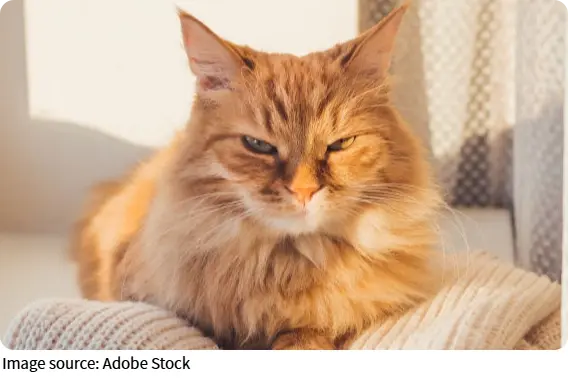
The position of a cat's ears can give you insight into their mood. Forward-facing ears suggest curiosity or happiness, while flattened ears are a sign of irritation or fear. Similarly, wide-open eyes indicate interest or excitement, whereas narrowed eyes can signal relaxation or suspicion.
3. Purring: A Sign of Contentment or More?
Purring is one of the most iconic sounds cats make, but it doesn't always mean they are content. While a relaxed cat will often purr while being petted or cuddled, purring can also occur in stressful situations.
3.1 The Comforting Purr
In most cases, a purring cat is a content cat. If your cat purrs while resting in your lap or while being stroked, it's a sign that they feel safe and comfortable. This type of purring is often accompanied by a relaxed body posture and is a clear indicator of your cat's happiness.
3.2 Purring in Stressful Situations
Interestingly, cats also purr when they are in pain or distress, though this is often a self-soothing behavior. For example, if your cat is purring after a visit to the vet or during a stressful situation, it may not be because they are feeling at ease, but rather because they are trying to calm themselves.
4. Understanding the Significance of Grooming
Grooming is another important aspect of feline communication. Cats spend a significant portion of their time grooming themselves, but this behavior isn't purely for hygiene.
4.1 Self-Grooming
When a cat grooms itself, it's typically a sign of comfort and contentment. Cats groom to clean their fur, but they also use grooming as a way to calm themselves. A cat that is carefully licking its paws and grooming its face is likely feeling relaxed and at ease.
4.2 Social Grooming
Cats that live in multi-cat households will often groom each other as a sign of affection and bonding. This social grooming reinforces relationships between cats and is a way of showing care for one another.
5. The Meaning Behind Other Sounds: Hissing and Growling
In addition to meowing and purring, cats have a variety of other sounds in their vocal repertoire that carry specific meanings.
5.1 Hissing and Spitting
When a cat hisses or spits, it's usually a sign of fear, anger, or aggression. This vocalization is often a warning to stay away and is typically accompanied by an arched back, raised fur, and wide eyes. A hissing cat feels threatened and is likely trying to protect itself from perceived danger.
5.2 Growling
Growling is another vocalization that signals irritation or aggression. If a cat growls at another animal or person, it's often a sign that it feels cornered or provoked. Understanding these warning signs is essential for maintaining a peaceful environment for both your cat and others.
6. Conclusion: The Silent Communication of Cats
Cats are masters of subtle communication. While they may not speak in the same way that humans or dogs do, their meows, purrs, and body language offer a rich vocabulary of emotions. By paying attention to these signals, you can better understand your cat's needs, desires, and emotional state. In the end, learning to “speak” cat means developing a deeper bond with your feline companion, fostering trust, and ensuring their well-being.
Understanding feline communication is a rewarding journey that strengthens the bond between human and cat, ensuring that both parties can enjoy a harmonious and affectionate relationship.